
Software Strategy
Tech StackArchitecture
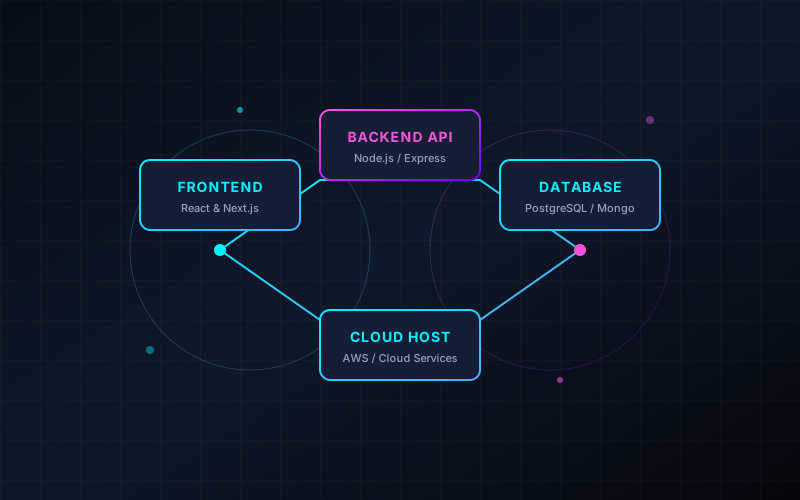
How to Choose the Right Tech Stack for Business Applications
A practical guide for businesses evaluating frameworks, databases, and cloud platforms for their next software project.
7 min read

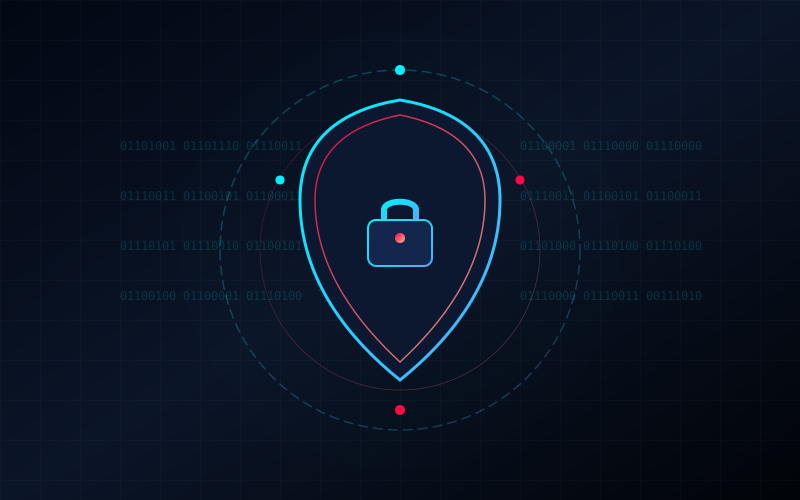
Security is not a feature you add at the end of a project. For web applications handling business or customer data, security must be part of architecture, development, testing, and deployment from day one.
Start with authentication and access control. Use proven identity mechanisms, enforce strong password policies where applicable, and apply role-based permissions so users only access what they need. Multi-factor authentication should be considered for administrative accounts and sensitive operations.
Implementing security guidelines requires attention across multiple layers:
“"Security breaches rarely happen because of advanced hacking exploits; they are usually the result of basic configuration slipups and unpatched packages."
Implement logging and monitoring. Security incidents are easier to contain when unusual activity is detected early. Log authentication events, permission changes, and critical business actions without exposing sensitive credentials in log files. Perform regular testing. Code reviews, automated scans, and structured QA cycles help identify issues before users do.
Let's build a secure, highly scalable solution customized to solve your specific workflows and drive operational growth.
Talk to our ExpertsA practical guide for businesses evaluating frameworks, databases, and cloud platforms for their next software project.
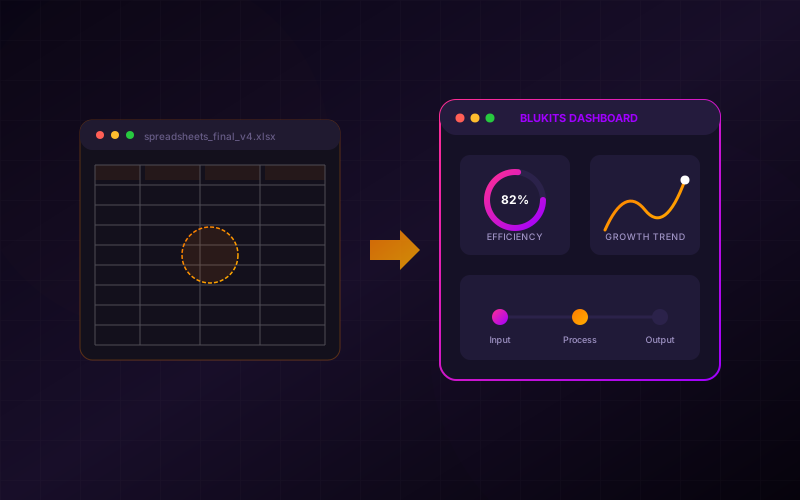
Learn when spreadsheets and off-the-shelf tools stop working and custom software becomes the smarter investment.
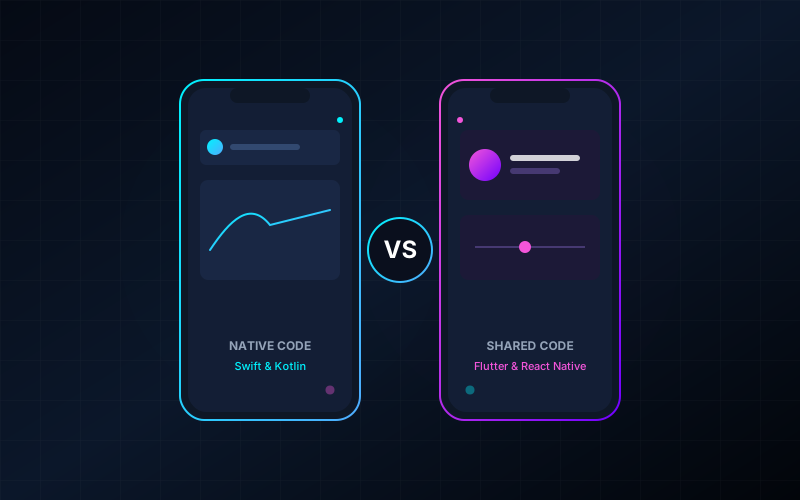
Compare native and cross-platform approaches to mobile app development and understand which fits your product goals.
Speak with BluKits Technologies to discuss your requirements and receive a practical delivery plan.